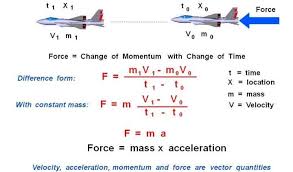
Figure 3. This image goes more into depth of the equation F=MA.
"F=MA; acceleration is directly proportional to force and inversely proportional to mass."
"F=MA"
Again, pretty self explanatory, F means force, M means mass1, and A means acceleration2.
Figure 3. This image goes more into depth of the equation F=MA.
"acceleration2 is directly proportional to force"
Proportional means that when one factor changes, the other one changes by the same factor.
So in this case, when acceleration changes, force changes by the same factor.
"and inversely proportional to mass."
Inversely proportional means that as one factor changes, the other one will change by the same factor, but inversely (to the
negative 1). For example, if Factor A doubles, then Factor B will half if they are inversely proportional. This is the same as
multipling A by 21 and B by 2-1. So in this case, when force changes, mass will change proportionally, but to the negative one.
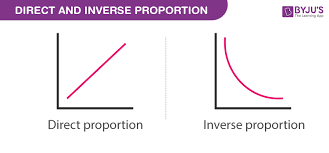
Figure 4. These two graphs show how directly proportional
and inversely proportional functions look.
_________________________________________________________________________________________
1: Mass -- The total amount of matter in an object, not to be confused with weight,
which is the amount of force exerted on an object due to gravity.
2: Acceleration -- The rate at which an object changes its velocity (speed or direction) over time.